Signs of Spring in Devon
Late winter in Devon brings the first quiet hints of spring. From snowdrops in the hedgerows to longer, lighter days, discover the small seasonal changes that make this time of year so special in the countryside.
Discover your perfect Devon Farms Holiday

Late winter in Devon brings the first quiet hints of spring. From snowdrops in the hedgerows to longer, lighter days, discover the small seasonal changes that make this time of year so special in the countryside.

When you visit Devon, you're not just stepping into a landscape of rolling hills, dramatic coastlines and charming farms, you're also stepping into a rich tradition of flavour, freshness, and culinary craftsmanship. At Devon Farms & Country Stays, many of our holiday cottages, B&Bs, and glamping sites are located on or near working farms where local food is more than a menu; it’s a way of life.

Days out in Devon don't need to cost a fortune. Read through our list of our favourite free days out in Devon and find some of the best places to be that don't cost the earth.
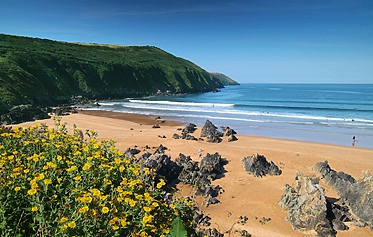
Welcome to the Gateway of North Devon Bliss - Your Perfect Escape Awaits!

Discover the stunning landscapes of Devon from a whole new perspective - on horseback!

Take a splash in Devon with some great ideas of how to spend a day in the water
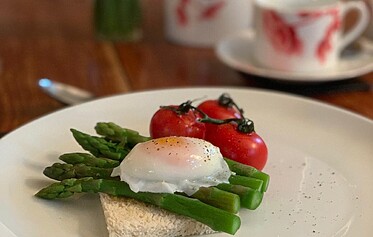
Welcome to Unforgettable Stays in South Devon's Countryside on a fabulous farmhouse bed and Breakfast.

In a world of constant notifications, endless scrolling, and busy schedules, it’s easy to feel overwhelmed. Sometimes, what you really need isn’t another weekend in the city, but a true escape. A place where the air is fresh, the pace is slower, and your mind can finally switch off. Welcome to a digital detox in Devon.

If you’re picturing a standard hotel stay… it might be time to rethink your plans. Devon is at its absolute best right now, and swapping four walls and a buffet queue for fresh air and farm life makes all the difference.
Enjoy superb views of the lovely Devon countryside and unrivalled hospitality from our Member farms. We have farmhouses and cottages in a variety of locations including Dartmoor, Exmoor, close to beaches, quaint fishing villages, nature reserves or well-known attractions and cosmopolitan cities. Use our extensive database to search the whole of Devon for your ideal accommodation.

Click to Download our Devon Farms brochure. Or complete our Request By Post Form.

There are lots of idyllic and interesting locations to stay in Devon MORE...

There are lots of things to do during your holiday on a Devon Farm.

Our most popular holidays. MORE...
Stay on a farm in Exmoor and enjoy stunning panoramic views, dramatic coastline, open commons with wild Exmoor ponies and deep wooded valleys. MORE...
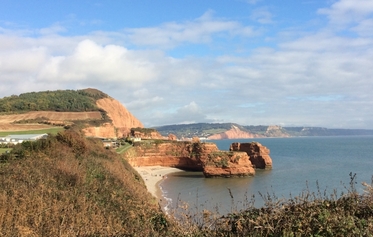
East Devon and the World Heritage Jurassic Coast, are the perfect location for holidays all year round. MORE...
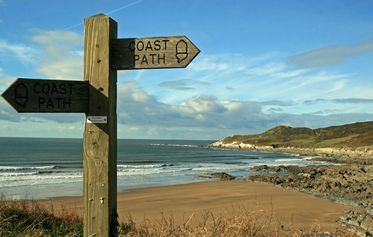
Miles of golden, sandy beaches - Woolacombe, Croyde, Saunton - explore the South West Coast Path, quaint villages, country pubs and stunning countryside. MORE...
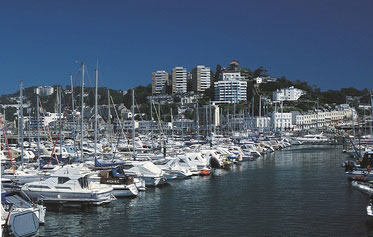
The English Riviera is a stunning 22 mile stretch of outstanding South Devon coastline featuring beautiful seaside resorts. MORE...
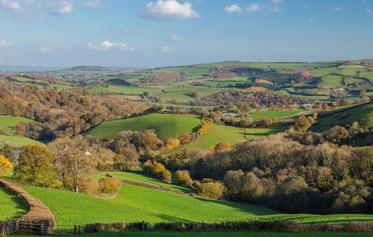
Often referred to as 'secret Devon' with land characterised by family farms, gentle pastures, rivers and woodlands. MORE...
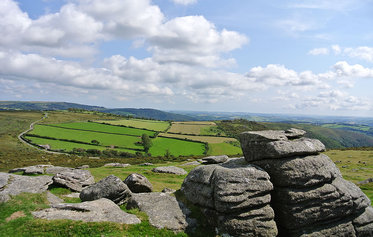
Dartmoor stretches from Okehampton in the North to Ivybridge in the South. MORE...
 Bed & Breakfast
 Self Catering
 Glamping
 Camping
 Multiple